Most school phone systems don't fail all at once. They just get a little harder to live with every year. A handset breaks, and parts for that outdated infrastructure are hard to find. A new building needs coverage and the old system can't stretch that far. The person who knew how everything was wired retires.
That's when school leaders start asking: is it time to replace it, and how do we do that without disrupting the school day?
A good legacy system replacement strategy answers both. It gives your district a clear plan for moving from outdated systems to modern solutions in stages.
What Is a Legacy System Replacement Strategy?
A legacy system replacement strategy is a step-by-step plan for retiring an old system and moving to a new system without putting critical business processes at risk. For schools, those processes include attendance calls, transportation updates, parent communication, and emergency notifications.
Legacy systems are the tools still running because they "work well enough": an on-site PBX, separate paging equipment, aging voicemail, or legacy software that only one vendor still supports. Such systems usually weren't designed to work with other systems, so every new tool gets bolted on.
A legacy modernization strategy looks at the entire system, not just the phones. It considers how people communicate today and what the school needs for future growth.
Why Do Schools Need to Modernize Legacy Systems?
Legacy systems often keep running long after they stop fitting the way a school operates.
The costs show up slowly:
- Rising maintenance costs: Maintaining legacy systems often means specialized repairs, hard-to-find parts, and a shrinking pool of technicians who know the equipment.
- Security risks: Unsupported equipment and software stop receiving updates. CISA warns that end-of-life software can expose security vulnerabilities, cause compatibility issues, and decrease system performance.
- Data silos: When phones, intercoms, messaging, and alerts run separately, information gets trapped in each one.
- Lost productivity: Staff repeat the same message across several tools, and manual workarounds become part of the daily routine.
- Integration challenges: Outdated technology often can't connect to cloud platforms or newer tools without custom work.
Each workaround adds technical debt, which is the growing cost of patching legacy components instead of fixing the underlying problem.
What Are the Risks of Waiting Too Long?
Waiting to replace outdated legacy systems feels safe, but it creates operational risks that grow every year.
Unsupported systems are a common target for attackers, and data breaches in schools can expose student and staff information. CISA's guidance for state and local governments recommends replacing legacy systems and devices that can no longer receive security updates and developing a transition plan for moving to supported platforms.
There's also business continuity to think about. If the phone system goes down during a weather closure or a facility issue, the cost goes well beyond a repair bill.
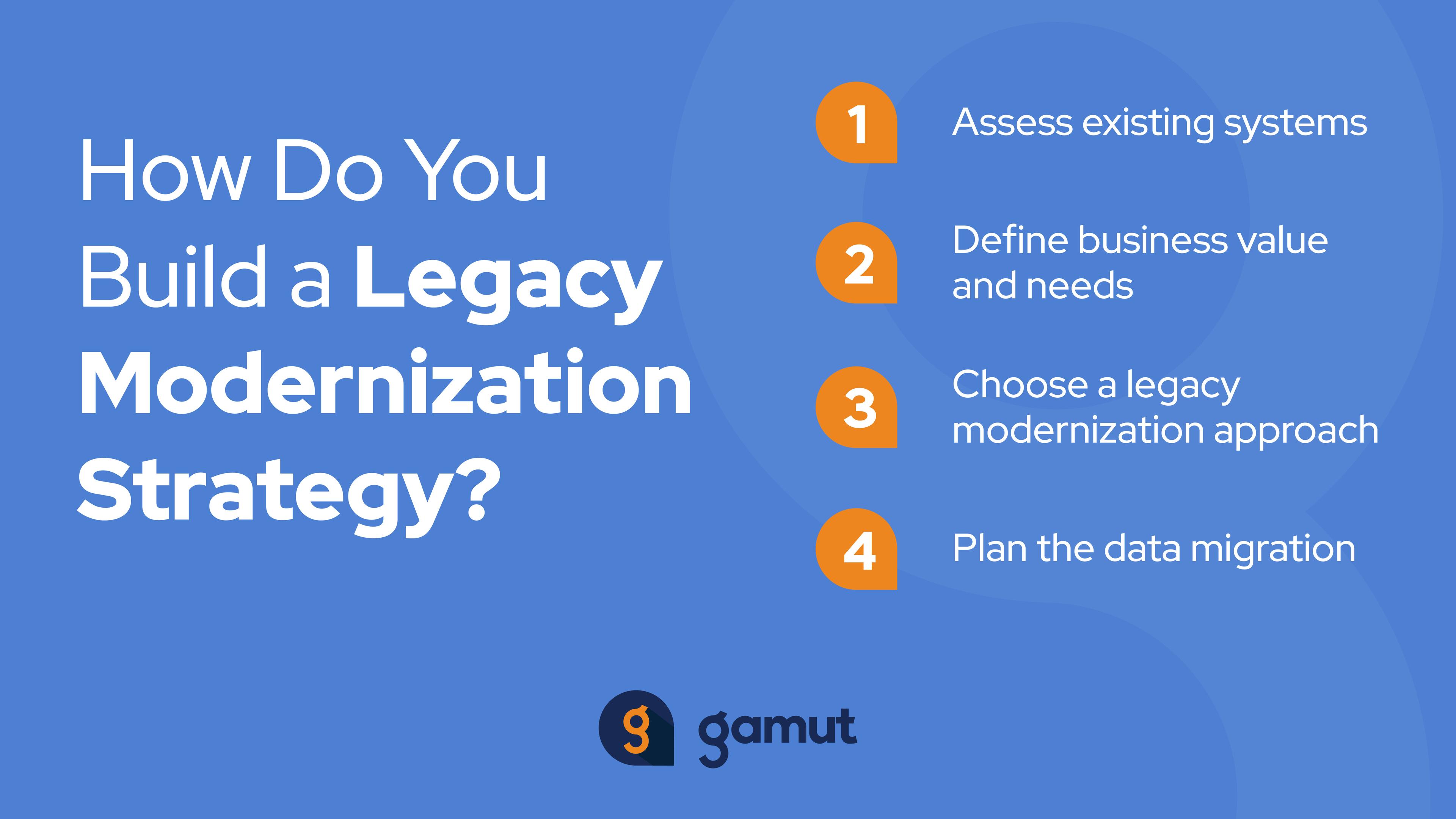
How Do You Build a Legacy Modernization Strategy?
Every modernization process starts with understanding what you have. A modernization strategy based on how your school actually communicates will hold up better than one based on a product list.
1. Assess existing systems
Inventory existing systems, existing software, and internal infrastructure. Identify dependencies and integrations: what connects to the phones and which tools you can retire. Retiring unused systems is part of a smart plan.
2. Define business value and needs
Look at business needs and business value before features. Which business processes matter most? Note every place the current system creates delays. Assessing value and ROI helps you prioritize spending, and it gives you clear ways to show cost savings and lower infrastructure costs later.
3. Choose a legacy modernization approach
There's no single legacy modernization approach that fits every school.
Common options include:
- Rehosting (lift and shift): Move systems to the cloud with few changes.
- Replatforming: Make small adjustments during the move to improve performance.
- Refactoring: Rewrite portions of existing code to improve efficiency and compatibility. This applies more to legacy applications than phone hardware.
- Rearchitecting: Redesign a monolithic system into flexible, cloud native services.
- Replacing: Retire the old system and adopt a new platform.
For many business systems, including school phone systems, replacing legacy systems is the most practical path because the hardware itself is the limitation.
4. Plan the data migration
Data migration covers phone numbers, call flows, voicemail, contact lists, and user settings. Data cleansing before the move keeps outdated information from following you into the new platform, and structured data governance keeps records accurate during the transition.
Should You Replace Everything at Once or in Phases?
A big bang migration replaces a legacy system all at once. It's faster on paper, but a system overhaul on a single date can be a significant challenge for a busy school.
Phased approaches lower the risk:
- Strangler fig pattern: Replace the system piece by piece until nothing of the old platform is left.
- Parallel run: Run old and new systems side by side until staff are confident.
- Encapsulation and API layering: Use APIs to bridge legacy and modern systems so you can lower immediate risks while upgrades happen.
Whatever path you choose, evaluate how downtime will affect operations. Scheduling cutovers around breaks protects business operations.
How Do Modernized Systems Improve Operational Efficiency?
Modernized systems remove a lot of existing limitations. Cloud communication platforms receive regular updates and offer robust encryption, which helps reduce security risks.
They also bring stronger integration capabilities. Modern systems are built for seamless integration with tools staff already use, which helps enhance operational efficiency and reduce the operational inefficiencies that come from switching between apps. Some modern technologies even use machine learning for features like transcription and call routing.
The result is fewer core systems to maintain, less system complexity, and better reliability that reduces costly downtime. For schools competing for staff and families, a reliable communication experience can even be a competitive advantage.
Why Do People Matter as Much as Technology?
Replacing a legacy system requires careful planning and change management. Cross-functional change management means involving teachers, front office staff, IT, and facilities early, not after the decision is made.
User training is essential for adoption. After launch, continuous feedback loops help you spot issues and improve the setup over time. New technologies only help if people use them, and legacy tools linger when they don't.
How Can Gamut Help With Legacy System Modernization?

Modernization efforts work best with a partner who understands both the technology and how schools operate. Gamut helps Massachusetts schools assess legacy technologies, plan phased migrations, keep existing numbers, and train staff, with local support from Boston.
Eligible organizations can also purchase through MHEC, which can simplify procurement while still following internal purchasing policies.
Contact us to start planning your upgrade.
Frequently Asked Questions About Legacy System Replacement
What is legacy modernization?
Legacy modernization is the process of updating or replacing outdated systems with modern technologies that are easier to maintain, more secure, and better connected.
What is legacy application modernization?
Legacy application modernization focuses on updating software applications, often through rehosting, replatforming, refactoring, or rearchitecting.
How long does system replacement take for a school?
It depends on the number of buildings and integrations. A phased system replacement can run in stages over weeks or months to protect daily operations.
How do schools estimate modernization costs?
Many teams compare current maintenance costs and staff time against the new platform. Formal estimating methods like the constructive cost model apply mainly to custom software projects.
Do industry regulations affect legacy system modernization?
Yes. Schools must protect student data, and other sectors face their own industry regulations, like healthcare records or insurance systems. Modern platforms make it easier to stay current with security requirements.