.jpg)
School districts all over are facing a common challenge: aging communication systems that were built around traditional phone service and legacy infrastructure.
While these systems have done a great job of supporting schools for years, rising monthly costs, limited flexibility, and aging hardware are making them harder to justify in the digital-forward type world we live in today.
At the same time, schools need reliable ways to make and receive phone calls, support parents and staff, and maintain critical communications during emergencies. As education technology continues to evolve, districts are looking for more scalable and cost-effective solutions.
That's why so many educators are exploring SIP trunking for schools as a practical modernization strategy.
Rather than replacing every device or investing in a completely new system, SIP trunking allows schools to modernize existing school phone systems, improve reliability, and save money while preparing for future growth.
What Is SIP Trunking?
SIP trunking is a technology that uses the Session Initiation Protocol to connect a phone system to the internet instead of relying on traditional phone lines connected through the public switched telephone network (PSTN).
In simpler terms, a SIP trunk acts as a virtual phone line that allows video and voice calls, along with other communications, over an internet connection. Instead of using physical phone lines, schools can route voice data through their existing network using Internet Protocol technology.
A SIP trunking system works by connecting an IP PBX, legacy PBX, or modern cloud communications platform to a SIP provider. This allows schools to place outbound calls, manage inbound calls, support conference calls, and even integrate instant messaging and video conferencing capabilities.
Because SIP uses Internet Protocol VoIP, schools gain access to modern communications features while reducing dependence on aging infrastructure.
Why Traditional Phone Infrastructure Is Becoming a Challenge
Many schools still rely on older systems designed before today's digital technology requirements existed.
While these systems may still function, they often create operational and financial challenges, including:
- High monthly costs
- Expensive maintenance contracts
- Limited scalability
- Difficulty supporting multiple locations
- Aging hardware tied to a legacy PBX
- Limited support for modern collaboration tools
Traditional systems also require schools to maintain dedicated phone lines, even when actual call volume fluctuates throughout the year.
For school administrators, this often means paying for unused capacity while struggling to support growing communication demands. As many schools expand technology initiatives, maintaining outdated infrastructure can become increasingly difficult.
How SIP Trunking for Schools Works
One reason SIP trunking for schools has become so popular is that it allows districts to modernize without replacing everything at once.
A SIP trunking provider connects the school's existing business phone system or IP PBX to internet-based communications services. Instead of routing calls through traditional circuits, SIP lines carry communications over the school's network.
This enables schools to:
- Make and receive phone calls
- Support multiple calls simultaneously
- Scale capacity as needed
- Maintain existing phone numbers
- Add local numbers and additional extensions
- Improve overall call quality
Each SIP channel represents the ability to handle a call session. Schools can increase or decrease the number of channels based on expected concurrent calls and overall call volume.
This flexibility helps districts avoid overpaying for unused capacity while ensuring enough resources are available during peak school hours.
Reducing Communication Costs Across the District
Budget pressures affect every educational institution.
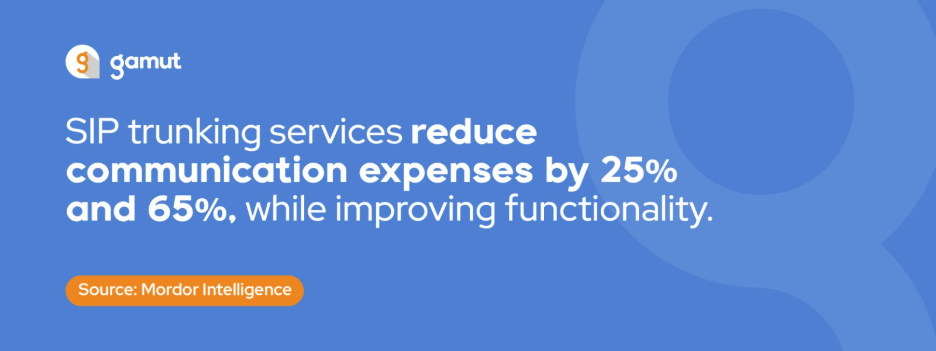
One of the biggest advantages of SIP trunking services is the ability to reduce communication expenses between 25% to 65%, while improving functionality.
Traditional systems often require schools to purchase fixed capacity and maintain expensive circuits. But SIP solutions allow districts to pay for what they actually use.
Potential savings may come from:
- Lower monthly costs
- Reduced maintenance expenses
- Fewer physical phone lines
- Simplified management
- Lower rates for international calls
- Flexible trunk pricing
Many providers also offer plans with unlimited calling, helping schools better predict expenses and avoid unexpected charges.
When researching providers, districts should also ask about hidden fees, support costs, and contract requirements. Some providers require lengthy long-term contracts, while others offer more flexible options.
Supporting Multi-Campus District Communications
Managing district communications across multiple locations can be challenging.
Schools often need to coordinate communications between campuses, transportation departments, administrative offices, and support facilities.
A centralized call system built on SIP technology allows districts to operate under a single system, one platform that simplifies administration and improves efficiency.
A system like this is good for:
- Centralized management
- Shared phone numbers
- Real-time data
- Easier expansion
- Better visibility into communications
- Consistent user experiences
This approach is especially valuable for districts with multiple schools and distributed staff.
Improving Reliability and Business Continuity
Reliable communications are essential for schools.
Parents, teachers, staff, and emergency responders all depend on communication systems that remain operational when outages occur.
Modern SIP communications platforms often include redundancy features that help schools stay connected even during disruptions.
Depending on the deployment, schools may benefit from:
- Automatic failover
- Geographic redundancy
- Cloud backup services
- Improved disaster recovery
- Flexible call routing
Because SIP uses the internet for data transmission, calls can be rerouted quickly if a primary connection becomes unavailable.
This helps critical communications remain available when they are needed most.
Preparing for VoIP and Future Communication Technologies
Districts are evaluating VoIP for schools as part of broader modernization initiatives.
SIP serves as the foundation for many modern VoIP systems, enabling schools to transition gradually rather than replacing everything at once.
A modern SIP environment can support:
- Video conferencing
- Conference calls
- Instant messaging
- Mobile communications
- Advanced reporting
- AI-powered tools
As needs evolve, schools can add new capabilities without rebuilding their entire infrastructure.
This flexibility makes SIP an important component of long-term school administration and technology planning.
Supporting Modern School Communications
Today's modern school communications environment extends far beyond basic voice services.
Teachers, administrators, and support staff increasingly rely on integrated tools that support collaboration and productivity.
Modern SIP-enabled platforms can provide:
- Team collaboration
- Video calling
- Shared messaging
- Mobile access through mobile phones
- Centralized call logs
- Real-time notifications
These capabilities improve communication across departments while helping individual users access the tools they need from almost anywhere.
A lot of cloud-based solutions also allow users to move seamlessly between devices while maintaining a consistent experience.
Data, Analytics, and Better Decision-Making
Modern communications platforms do more than handle calls.
SIP solutions provide real-time analytics, reporting dashboards, and operational insights that help schools make informed decisions.
Administrators can monitor:
- Call volume
- Peak usage periods
- Concurrent calls
- Missed calls
- User activity
- Service performance
These reports provide actionable insights that help districts optimize staffing, improve responsiveness, and better allocate resources.
Because communications data is available in real time, leaders can identify trends and address issues before they impact operations.
How Schools Can Approach Modernization Strategically
Modernization does not have to happen all at once.
Many districts begin by looking into their current infrastructure and identifying opportunities to improve efficiency while preserving existing investments.
Questions schools often ask include:
- Can our current phone system support future growth?
- Are we paying too much for legacy services?
- How many SIP lines do we actually need?
- Can we support growing communication demands?
- Are we meeting applicable regulatory requirements?
Working with an experienced SIP trunking provider can help answer these questions and create a roadmap aligned with district goals.
Finding the Right Communications Partner
Choosing the right SIP provider is an important step in any modernization project.
Schools should look for providers like Gamut that understand educational environments and can support both current and future needs.
Important considerations include:
- Reliability
- Security
- Scalability
- Transparent trunk pricing
- Support availability
- Compliance with regulatory requirements
Many providers offer a free consultation to help districts evaluate options and determine the best path forward.
Gamut works with educational organizations to deliver cloud-based communications solutions that support evolving district needs. Through our portfolio of cloud services, schools can modernize communications while improving reliability, scalability, and long-term value.
Modernize Without Starting Over

For educational institutions, replacing an entire phone infrastructure is neither practical nor necessary.
That's why SIP trunking for schools continues to gain momentum. By leveraging the Internet Protocol, SIP enables schools to modernize existing school phone systems, improve call quality, support voice calls, and prepare for future innovations.
Whether supporting inbound or outbound calls, conference calls, video conferencing, or advanced collaboration tools, SIP provides a flexible foundation for modern communications.
As schools continue investing in education technology, adopting SIP trunking services can help strengthen district communications, improve operational efficiency, and support the future of modern school communications.
Unlike solutions designed primarily for small businesses, educational organizations require scalable platforms capable of supporting large user populations, fluctuating demand, and communications across multiple locations.
With the right SIP strategy, schools can consolidate services onto one platform, reduce costs, improve reliability, and create a communications environment built for the future.
Ready to bring your district into modern communications? Reach out to Gamut today!
%20(1).jpg)